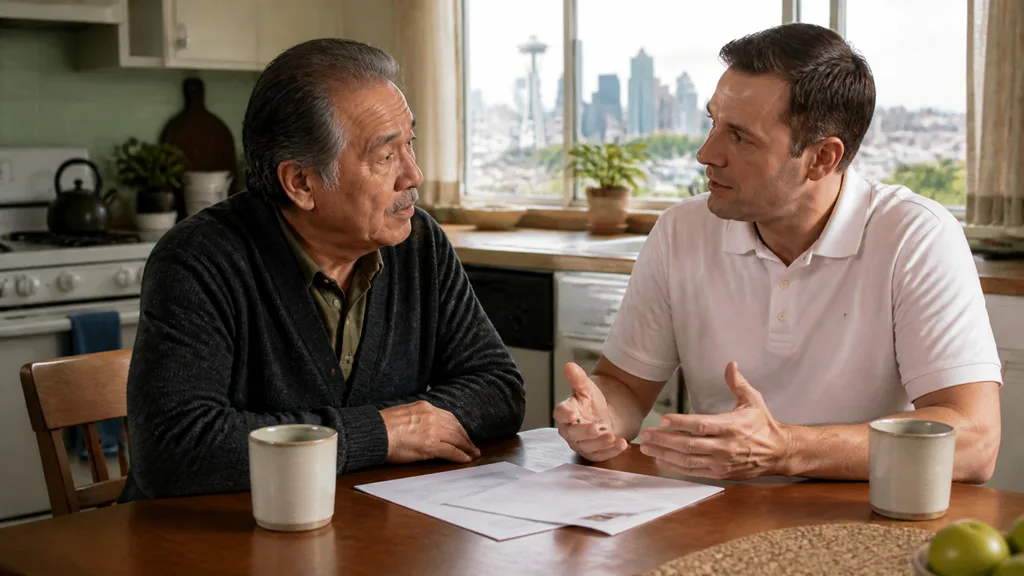

Washington state uses a non-judicial foreclosure process under RCW 61.24, meaning most foreclosures in the Seattle area proceed through a trustee’s sale rather than through the courts. The foreclosure is recorded publicly and reported to the credit bureaus, where it typically remains for seven years. Understanding how this record affects your ability to qualify for a mortgage - and what you can do in the meantime - is the starting point for planning your return to homeownership.
How Foreclosure Affects Your Credit Profile
A foreclosure on your credit report affects your score significantly - typically a drop of 100-160 points depending on your score before the event and the other items on your credit file. The impact is most acute in the first two years after the foreclosure and gradually diminishes as time passes and positive credit history accumulates. The foreclosure itself remains on the report for seven years, but its weight in scoring models decreases over time - particularly once you are past the two to three year mark and have established a consistent record of on-time payments on new accounts.
In Washington state, lenders also consider whether the foreclosure involved a deficiency balance. Under RCW 61.24.100, non-judicial foreclosure in Washington generally waives the lender’s right to pursue a deficiency judgment - which means most WA homeowners who went through a trustee’s sale do not have a deficiency judgment on their record in addition to the foreclosure. This is a meaningful distinction from states that routinely pursue deficiency judgments after foreclosure and leave borrowers with unresolved debt that further complicates future credit qualification.
Waiting Periods by Loan Type
Each loan program imposes a mandatory waiting period after foreclosure before you can qualify for a new mortgage. These periods are measured from the date of the foreclosure completion (the trustee’s sale date in Washington) and require that you meet the program’s credit and qualifying standards by the time the period ends.
- Conventional (Fannie Mae/Freddie Mac): Seven-year waiting period from the foreclosure completion date. This is the most restrictive standard - which is why many post-foreclosure borrowers pursue FHA or VA financing first. The seven-year period can be reduced to three years in cases of documented extenuating circumstances (job loss, serious illness, divorce) where the foreclosure was a one-time event rather than a pattern of financial mismanagement.
- FHA loans: Three-year waiting period from the foreclosure completion date. FHA requires a minimum 580 credit score for a 3.5 percent down payment, and borrowers must demonstrate re-established credit since the foreclosure. FHA loans are the most commonly used path back to homeownership for post-foreclosure buyers in the Seattle area.
- VA loans: Two-year waiting period for eligible veterans and active-duty military. VA loans require no down payment and have no mortgage insurance premium, making them one of the most favorable paths available if you qualify. VA will also consider extenuating circumstances on a case-by-case basis.
- USDA loans: Three-year waiting period. USDA loans are available in eligible rural and suburban areas - some parts of Snohomish County, Pierce County, and Kitsap County qualify - and offer no-down-payment financing for borrowers within income limits.
- Portfolio and non-QM lenders: Some lenders operate outside of Fannie/Freddie/FHA/VA guidelines and may offer financing within one to two years of foreclosure, though typically at higher interest rates and with larger down payment requirements. These programs are appropriate for specific situations where waiting is not a viable option.
Rebuilding Credit After a Washington State Foreclosure
The waiting period is not just a clock to run out - it is time to systematically rebuild your credit profile so that when the period ends, you qualify for the best terms available rather than the minimum threshold. The core mechanics of credit rebuilding after foreclosure are straightforward: establish new positive accounts, maintain low utilization, and let time do its work.
Concrete steps that matter most: open one or two secured credit cards (cards backed by a cash deposit) and use them for small regular expenses paid in full each month - this builds on-time payment history, which is the largest factor in credit scoring. After 12-18 months of positive history, apply for an unsecured card or a small personal loan to add account diversity. Monitor your credit reports annually through annualcreditreport.com and dispute any errors - foreclosure-related accounts are sometimes reported inaccurately (wrong dates, incorrect balances, duplicate entries) and disputing errors can materially improve your score. Many post-foreclosure borrowers are surprised by how quickly their scores recover when they commit to a disciplined rebuilding approach - scores in the mid-600s are achievable within two to three years for borrowers who start from a strong baseline and avoid new negative items after the foreclosure.
In Fife and throughout Pierce County, we work with homeowners who experienced foreclosure in part because of a cascading financial situation - a medical event, job loss, or divorce that led to the loss. If that describes your situation, your lender application will include the opportunity to document extenuating circumstances, and a clearly written letter of explanation with supporting documentation can meaningfully affect how an underwriter views your application.
Washington State Resources for Post-Foreclosure Homebuyers
The Washington State Housing Finance Commission (WSHFC) administers homebuyer assistance programs that are available to post-foreclosure borrowers who meet the waiting period requirements. The Home Advantage program offers below-market interest rate financing and down payment assistance for first-time and repeat buyers, and the eligibility requirements do not permanently exclude borrowers with a foreclosure history - once the waiting period has passed and credit is rebuilt, WSHFC programs are accessible. WSHFC also offers free homebuyer education workshops statewide, which are required for many of its programs and which provide practical guidance on the purchase process, budgeting, and long-term homeownership success. Income limits apply, but many Seattle-area households qualify given the program’s adjusted limits for high-cost counties.
In Granite Falls and throughout Snohomish County, HUD-approved housing counselors can provide individualized guidance on your specific credit situation, timeline, and the loan programs most likely to work for you. Housing counseling is free and genuinely useful - a counselor who has helped dozens of post-foreclosure borrowers navigate the process in Washington state can identify the most efficient path to qualification that a generic online guide cannot provide.
What to Expect During the Application Process
When you apply for a mortgage after foreclosure, lenders will ask you to explain the circumstances that led to it. Be straightforward and factual - lenders are not looking for a dramatic story, they are looking for evidence that the foreclosure was a defined event that has passed and that you have managed your finances responsibly since. A consistent employment history, stable income, rebuilt credit, and a reasonable debt-to-income ratio (generally under 43 percent for most programs) are the qualifying pillars lenders focus on after a foreclosure history. Two years of steady employment in the same field - or, for self-employed borrowers, two years of filed tax returns showing consistent income - is typically the minimum employment documentation underwriters require.
Down payment requirements vary by program, but having more than the minimum generally strengthens your application and lowers your monthly payment and mortgage insurance costs. Many post-foreclosure buyers focus their rebuilding years on two goals simultaneously: credit recovery and down payment savings. Even a modest savings discipline - setting aside $400-$600 per month during a three-year FHA waiting period - builds $14,000-$21,000 toward a down payment by the time you are eligible to apply. In a Seattle-area market where home prices remain elevated, a larger down payment also meaningfully reduces the loan amount you need to qualify for.
Your Path Forward Starts with Your Current Situation
In Maple Valley and throughout southeast King County, some homeowners facing foreclosure are still in the decision stage - looking at whether selling before the foreclosure finalizes might be a better path than letting the process run to completion. If there is equity in the property, selling before the foreclosure completes can allow you to pay off the debt, potentially preserve some equity, and exit the situation with a cleaner credit profile than a completed foreclosure leaves. If you are in that situation and want to understand what a direct cash sale would look like on your timeline, contact us today or call (206) 222-1461. We work with homeowners across the Seattle area who are facing difficult situations and want a straightforward path to a fresh start - with no pressure and no obligation to proceed.