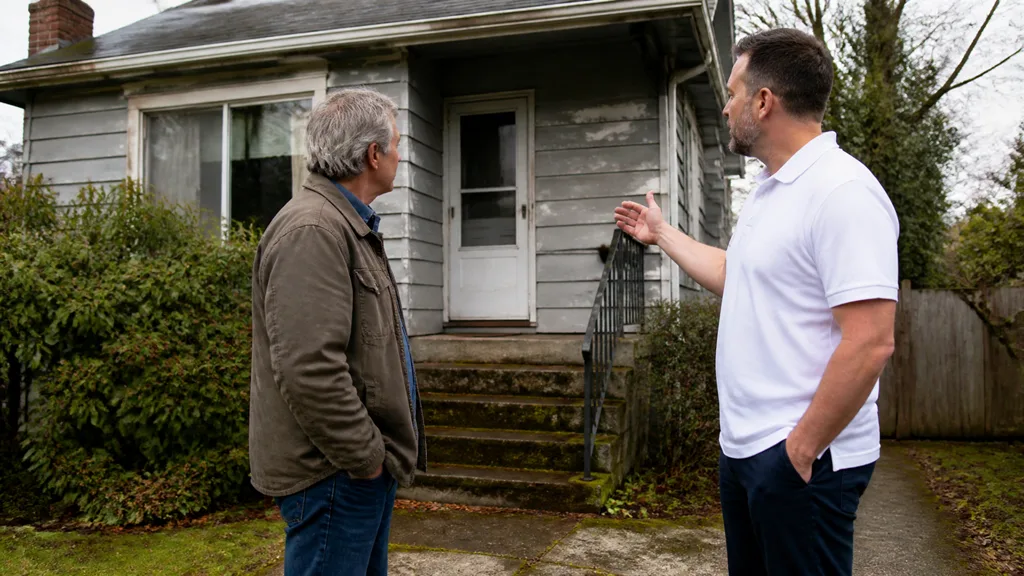

This guide covers the inspection and appraisal process from the seller’s perspective - what each involves, what is specific to Seattle-area properties, how Washington state contracts handle these contingencies, and what options you have if the results create a challenge.
The Home Inspection: What Sellers Need to Know
A home inspection is a visual assessment of a property’s condition by a licensed home inspector, typically ordered by the buyer during the inspection contingency period. The inspector examines the structural components, mechanical systems, and visible condition of the property and produces a written report documenting findings. Inspections are not pass/fail - they identify conditions and deficiencies and leave it to the buyer and seller to negotiate what, if anything, is done about them. The typical Seattle-area inspection takes two to three hours for a single-family home and costs the buyer $450-$650 depending on the size and age of the property.
Standard inspection scope includes the roof (condition, remaining useful life, visible damage), exterior (siding, windows, doors, grading and drainage), foundation and structure (visible cracks, movement, settlement), attic (insulation, ventilation, moisture, visible framing), interior (walls, ceilings, floors, visible water damage), electrical system (panel capacity, wiring type, grounding, GFCI protection), plumbing (supply, drain, water heater condition), and HVAC (heating, cooling, ventilation, approximate age and condition of equipment). In Washington state, home inspectors must be licensed under RCW 18.280, which sets minimum education, examination, and continuing education requirements. Sellers should verify that the buyer’s inspector carries the required state license - unlicensed inspections carry no regulatory protections and their findings carry less weight in any subsequent dispute.
Seattle-Specific Inspection Items
Seattle and the greater Puget Sound region have several property-specific concerns that inspectors focus on more heavily than in other markets:
- Moisture and water intrusion: The Pacific Northwest climate - with its extended rainy season and high ambient humidity - creates persistent moisture management challenges in older homes. Inspectors pay close attention to crawl space moisture, attic condensation, drainage patterns around the foundation, and any signs of past or current water intrusion. Homes with crawl spaces (common in older Seattle neighborhoods) are particularly scrutinized for moisture levels, vapor barriers, and drainage.
- Underground oil storage tanks: Many Seattle-area homes built before the 1970s were originally heated by oil, and decommissioned oil tanks remain buried on a significant percentage of properties in older neighborhoods. A buried tank - even if no longer in use - is a material defect requiring disclosure and can require remediation if it has leaked. Buyers frequently order a separate tank scan as part of their due diligence, and a positive tank result can significantly complicate a transaction.
- Older electrical systems: Pre-1960s Seattle homes may have knob-and-tube wiring or early aluminum wiring, and many older homes have 60-amp or 100-amp panels that do not support modern electrical loads. Inspectors flag these as safety concerns and buyers may request upgrades or price reductions to address them.
- Sewer lateral condition: Older Seattle neighborhoods with clay or cast iron sewer laterals frequently have root intrusion, offset joints, or deteriorated pipe. Buyers commonly order a separate sewer scope (camera inspection of the lateral from house to street) as a standard part of due diligence. Sewer lateral replacement in Seattle can cost $10,000-$25,000 depending on depth and length.
- Seismic concerns: The Seattle area sits in an active seismic zone, and older homes may lack adequate seismic strapping for the water heater, cripple wall bracing, or anchor bolts connecting the mudsill to the foundation. These are common Seattle inspection findings that buyers may negotiate.
Inspection Contingencies in Washington State Contracts
Washington state residential purchase and sale agreements (the standard Form 21 used by most real estate agents) include a buyer’s inspection contingency - a defined period (typically 10 business days) during which the buyer can have the property inspected and either proceed, negotiate repairs or credits, or terminate the contract and receive their earnest money back. The seller has no obligation to agree to any requested repairs; if the parties cannot reach agreement during the inspection contingency period, the buyer can walk away with their earnest money.
In Kirkland and throughout the eastside communities where competition for well-priced homes has historically been intense, buyers have frequently waived inspection contingencies entirely to make their offers more competitive. Post-pandemic, inspection contingency waivers have become less common as the market has moderated - but sellers in highly competitive situations may still receive offers with shortened or waived inspection periods. As a seller, a waived inspection contingency eliminates post-offer renegotiation risk, but it does not eliminate your disclosure obligations under Washington’s Form 17.
How Sellers Should Respond to Inspection Findings
Once the buyer’s inspector delivers a report, sellers typically receive a formal repair request or amendment from the buyer within the inspection contingency period. How you respond to that request significantly affects whether the deal closes and on what terms. There is no legal requirement in Washington state to make any repairs - but understanding your options helps you navigate the negotiation strategically rather than reactively.
Your response options as a seller generally fall into four categories. First, you can agree to repair specific items before closing - typically for safety-related deficiencies (electrical hazards, gas leaks, active water intrusion) that are material enough to threaten the buyer’s financing or willingness to proceed. Second, you can offer a seller credit at closing in lieu of making repairs - the buyer receives cash to handle repairs after closing, and you avoid the uncertainty of contractor quality and scheduling. Credits are often cleaner than repairs because they eliminate disputes about whether work was done correctly. Third, you can reduce the purchase price to reflect the cost of the deficiencies rather than issuing a formal credit. Fourth, you can decline to address the findings entirely - this is a legitimate option, especially if you already priced the property to reflect its condition, but be prepared for the buyer to exercise their right to terminate under the inspection contingency.
In practice, most Seattle-area inspection negotiations resolve through a combination of small targeted repairs and credits. The key is distinguishing between items that represent genuine safety or structural concerns versus normal wear and deferred maintenance that a buyer should have anticipated on a home of that age and price. A roof with five years of remaining useful life on a 1960s Capitol Hill bungalow is not a defect - it is an age-appropriate condition. A buyer requesting a full roof replacement credit on that basis is overreaching, and sellers who understand this are better positioned to hold firm.
Washington state’s Form 17 disclosure law (RCW 64.06) intersects directly with inspection findings. If an inspection reveals a material defect that you were previously unaware of, you are now on notice and must update your Form 17 before any subsequent transaction if this deal falls through. This is one reason why pre-listing inspections are valuable - they put you on notice in a controlled way before you are under contract, giving you time to address, disclose, or price around findings before a buyer uses them as mid-contract leverage.
Pre-Listing Inspections: A Strategic Option for Sellers
Sellers who want to minimize inspection surprises can order their own home inspection before listing - a pre-listing inspection. This gives you a written report of the property’s condition before buyers see it, allowing you to address significant issues before they become buyer leverage, price the home accurately based on known condition, and disclose findings proactively in your Form 17 to reduce legal exposure.
Pre-listing inspections cost $400-$700 for a standard Seattle-area home and can prevent much larger post-offer surprises. If the inspection reveals a $15,000 issue that you choose not to fix, you can price the home accordingly and disclose it transparently - which eliminates the situation where a buyer discovers it mid-contract and demands a credit that threatens to collapse the deal. A pre-listing inspection also signals confidence to buyers and their agents: when sellers are willing to share their own inspection report upfront, it reduces the adversarial dynamic that can develop when buyers feel they are discovering hidden problems. In competitive Seattle neighborhoods where homes routinely receive multiple offers, a seller-provided inspection report can shorten the buyer’s due diligence period and make your offer process smoother for everyone.
The Home Appraisal: What It Measures and Why It Matters
An appraisal is a licensed appraiser’s independent opinion of a property’s market value, typically ordered by the buyer’s lender after the purchase and sale agreement is signed. The appraisal determines whether the property supports the loan amount the buyer is requesting - lenders will not lend more than the appraised value on a standard mortgage. Appraisals are based on comparable recent sales (comps) in the same area, the property’s condition, and market trends.
In Everett and throughout Snohomish County, the appraisal is typically ordered 1-2 weeks after the purchase and sale agreement is signed and takes 1-2 additional weeks to complete. The appraiser visits the property, takes measurements and photos, and then analyzes recent comparable sales to develop a value opinion. Sellers are not required to be present but can benefit from having their agent available to provide the appraiser with information about upgrades, recent work, and relevant comparable sales the appraiser may not have identified.
The Appraisal Gap: Seattle’s Most Common Sale Complication
An appraisal gap occurs when the appraised value of the property comes in lower than the purchase price. In a competitive Seattle market where buyers frequently offer above asking price, appraisal gaps are a regular transaction complication - the appraisal reflects what the property is "worth" based on past sales, while buyers may have bid it up to a price that exceeds those past comparables.
When a gap occurs, the buyer’s options are limited by what their lender will finance. If the purchase price is $750,000 but the property appraises at $710,000, the lender will base the loan on $710,000. The buyer must either cover the $40,000 gap in cash (above their down payment), renegotiate the purchase price with the seller, or terminate the contract under an appraisal contingency.
Many Seattle-area offer forms now include appraisal gap coverage clauses - language stating that the buyer will cover the gap (up to a defined maximum) if the property appraises below the purchase price. These clauses have become standard in competitive multiple-offer situations and give sellers more confidence that an above-asking-price offer will actually close even if it appraises short. As a seller, reviewing whether an offer includes an appraisal gap clause - and what the maximum coverage is - is as important as reviewing the offer price itself.
How Sellers Can Minimize Appraisal Risk
While sellers cannot control the appraisal process, several steps reduce the risk of a problematic outcome. Price the home accurately using recent, comparable sales - an overpriced home is more likely to appraise short than one priced at or near market value. Prepare a package of relevant comparable sales and upgrade information for the appraiser visit; appraisers are not required to use seller-provided information, but they may not have identified relevant comps that support your value. Ensure the property is clean and accessible for the appraiser visit - the appraiser’s condition assessment affects the final value opinion. And when reviewing offers, prioritize those with strong appraisal gap coverage clauses from well-qualified buyers.
Appraisal Waivers and Cash Offers: How Financing Affects the Appraisal Requirement
Not every buyer in a Seattle-area transaction will trigger a traditional appraisal. Buyers using conventional financing through Fannie Mae or Freddie Mac may qualify for an appraisal waiver - an automated valuation accepted by the lender in lieu of a full in-person appraisal - if their loan-to-value ratio and the property’s data profile meet automated underwriting criteria. Appraisal waivers are more common on lower loan-to-value transactions (larger down payments) in markets with abundant comparable sales data, which describes many Seattle neighborhoods where significant sales volume provides a rich data set for automated valuation models.
When a buyer receives an appraisal waiver, the lender accepts the automated value and the transaction moves forward without scheduling an appraiser visit. From the seller’s perspective, this removes appraisal gap risk entirely on that transaction. If you are evaluating multiple offers and one buyer has received an appraisal waiver while another has not, the waiver offer carries meaningfully lower risk of a value-related renegotiation - a factor worth weighting when comparing offers that appear otherwise similar.
FHA and VA loans, by contrast, always require a full appraisal by a licensed appraiser on the agency’s approved roster. FHA and VA appraisers also assess property condition against minimum standards - an FHA appraiser who notes a peeling paint concern, exposed wiring, or a compromised roof may require the seller to address those items as a condition of the loan, adding repair obligations and timeline risk that conventional offers typically do not carry. In the Seattle market, sellers of older homes in established neighborhoods should factor loan type into their offer evaluation - conventional offers with strong appraisal gap clauses are generally lower risk than FHA or VA offers on properties with known deferred maintenance.
Skipping Inspections and Appraisals with a Direct Cash Sale
One of the structural advantages of selling to a professional cash buyer is the elimination of both the inspection contingency and the appraisal requirement. Cash buyers do not use lender financing, so there is no appraisal ordered by a lender and no appraisal gap risk. Professional buyers purchase properties as-is, which means no inspection contingency period and no post-offer renegotiation based on what the inspector found.
In Shoreline and throughout north Seattle, sellers with older properties - those most likely to produce significant inspection findings or appraisal complications - often find that the simplicity and certainty of a direct cash sale outweighs the potential for a higher gross price through a traditional listing that may face inspection and appraisal hurdles. The offer accounts for the property’s condition upfront, there are no surprises mid-transaction, and the closing proceeds without the timeline extensions that inspection and appraisal processes add to a conventional sale.
If you want to understand what a direct cash offer on your Seattle-area property would look like - with no inspection contingency, no appraisal risk, and no post-offer renegotiation - contact us today or call (206) 222-1461. We give you a clear, no-pressure offer based on the property’s actual condition, and you decide on your timeline. No obligation - and whatever you decide, you will have a better picture of your full range of options as you work toward your fresh start.